Why Unemployed Nurses and Underserved Communities Can Exist at the Same Time
16 May 2026 ·
One of the most revealing contradictions within healthcare systems is that a country can have thousands of trained professionals waiting for employment while many communities still struggle to access basic care.
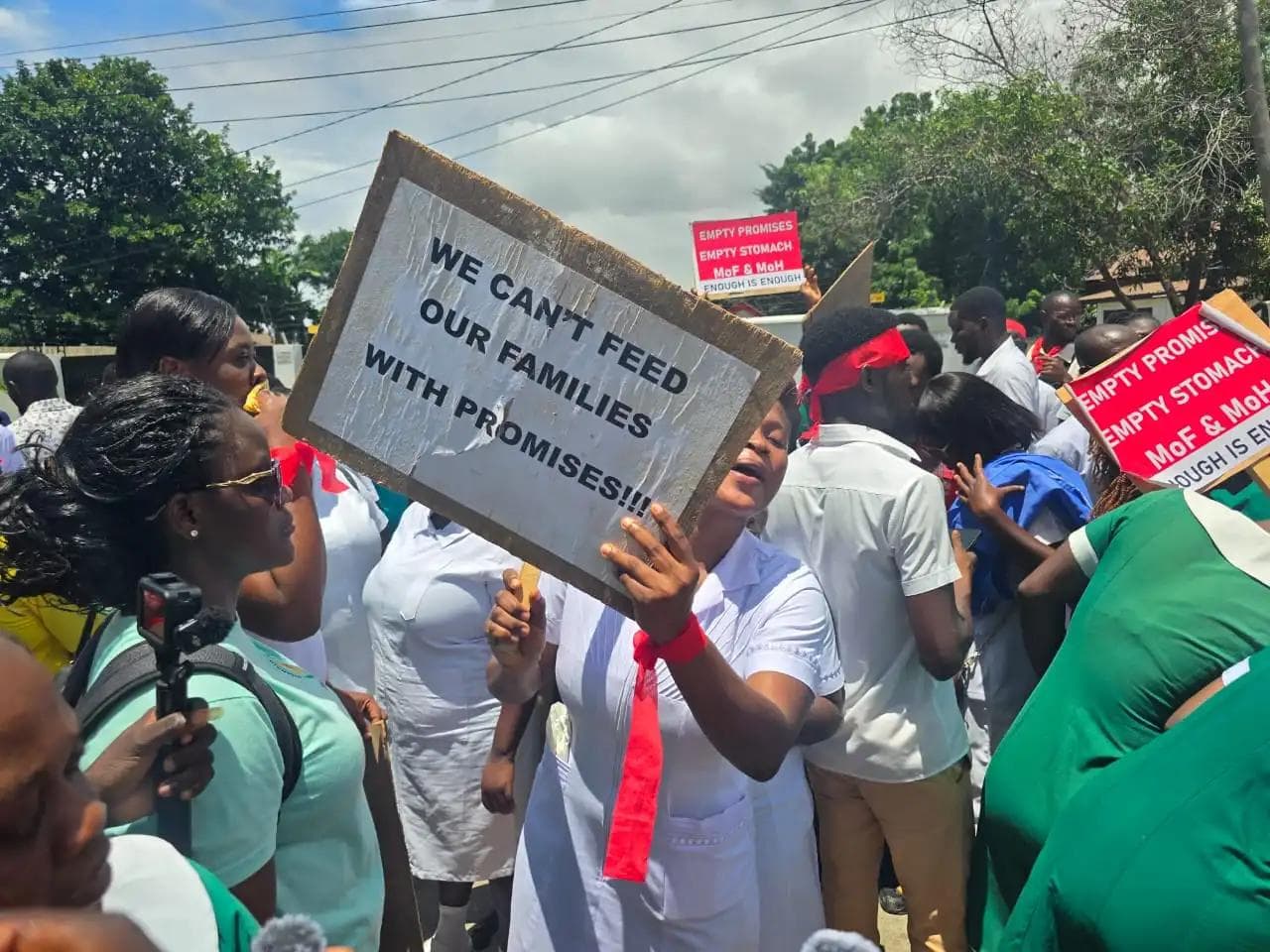
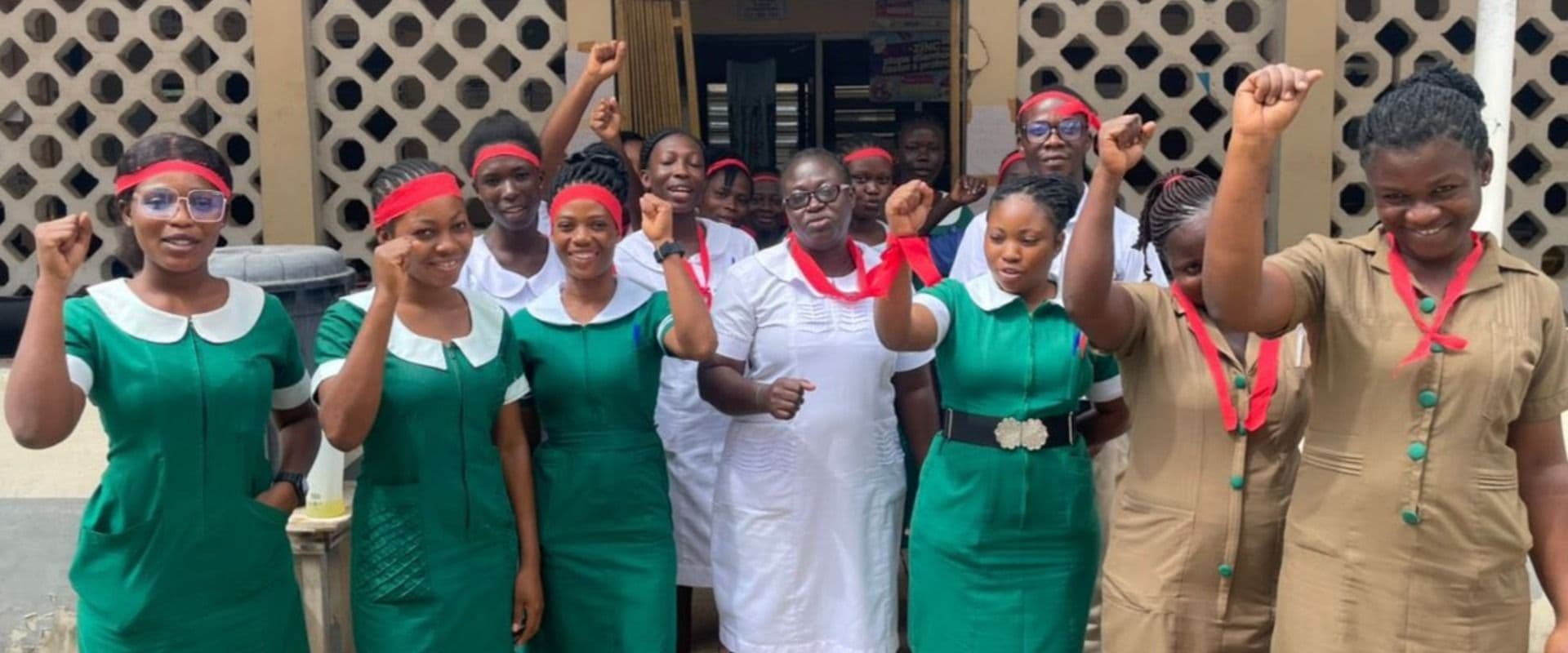
Recent events in Ghana highlight this clearly. Reports around the Ministry of Health recruitment portal showed widespread frustration among applicants, with many unable to secure placement despite years of training and waiting. Public discussion around the process again brought attention to a growing backlog reported to exceed 100,000 trained health professionals, while current financial clearance covers only around 8,000 placements.
This raises an important question.
If thousands of nurses and healthcare professionals remain unemployed, why do so many communities still experience limited access to healthcare?
The answer is that healthcare challenges are not always about shortage. Often, they are about deployment.
Healthcare systems in many countries continue to rely heavily on centralised employment structures. Recruitment depends on payroll approvals, institutional vacancies, and public sector budgeting cycles. Meanwhile, healthcare needs continue daily in homes, communities, peri-urban settlements, and underserved areas where people may still struggle to reach timely care.
The result is a disconnect.
Healthcare workers remain underutilised while patients remain underserved.
This is not simply a workforce issue. It is a systems issue.
The future of healthcare in Africa must increasingly move beyond the idea that care only happens within health facilities. Hospitals remain essential, but they should not be the only point of access. Communities need more distributed systems capable of extending healthcare closer to where people live.
This could include community-based screening, home visits, digital appointment systems, local pharmacy integration, follow-up services, and structured referral pathways. These models allow healthcare professionals to work within flexible systems while improving continuity of care for patients.
The opportunity is significant.
A trained unemployed nurse is not an unused resource. That individual represents capacity that can still improve health outcomes if connected to communities differently. The challenge is creating systems that allow that connection to happen.
This is where innovation becomes important. Not innovation for technology alone, but innovation in service delivery. Technology should support deployment, coordination, accountability, and continuity, but the real value remains in connecting people to care.
Emerging community-based healthcare platforms, including models such as DigiCare Health Solutions, are beginning to explore how verified healthcare providers can be connected directly to households through on-demand systems that respond to local needs. Such approaches may not replace public healthcare systems, but they can extend access and strengthen them.
The broader lesson is clear.
Healthcare reform is not only about training more professionals. It is also about rethinking how existing human resources are deployed. It is about creating pathways that allow skills to reach communities, rather than waiting for communities to reach already overstretched facilities.
Africa’s healthcare challenge is often described as lack of infrastructure. That is only part of the story.
The continent also has untapped human capacity.
The real opportunity lies in building systems capable of connecting that capacity to the people who need it most.
Healthcare should not depend only on whether a hospital is nearby or whether a payroll clearance has been approved.
It should depend on whether systems are designed to meet people where they are.