Why Healthcare Access Should Not Depend on Geography
8 May 2026 · 5 min read
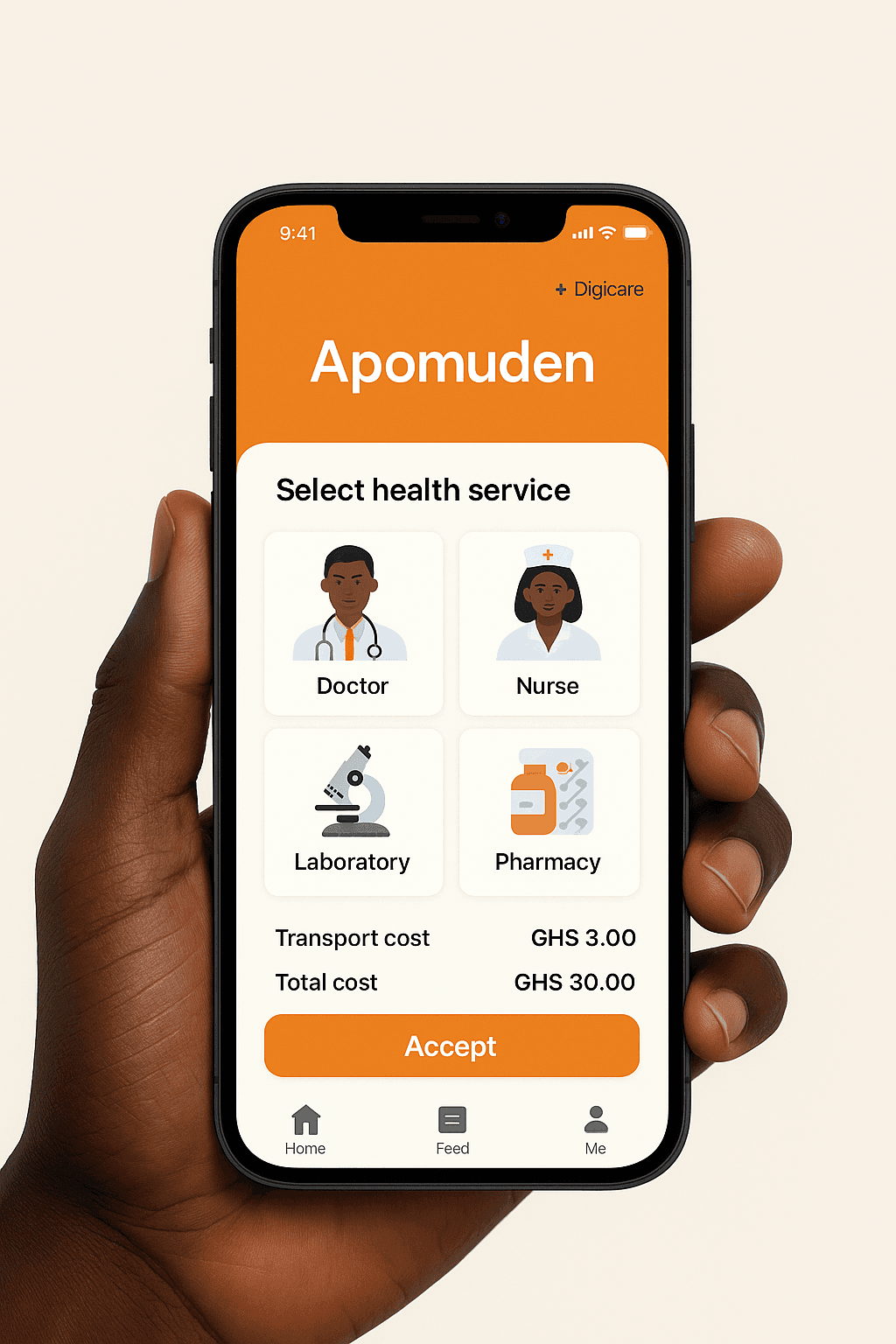
One of the greatest inequalities that still exists across many parts of the world is access to healthcare.
For millions of people, healthcare availability is still heavily influenced by geography, infrastructure, income, transportation, and systemic limitations beyond individual control. In many underserved communities, receiving timely healthcare support can become unnecessarily difficult not because solutions do not exist, but because access remains fragmented.
This challenge is becoming increasingly important as populations grow, urban systems become strained, and healthcare demands continue to expand.
Technology alone is not the solution. But technology can become an important bridge between communities and care when designed thoughtfully and inclusively.
The future of healthcare innovation in Africa should not simply replicate systems developed elsewhere. It should focus on creating locally relevant solutions that reflect the realities communities actually experience daily.
Healthcare access should become more responsive, decentralised, and community centred.
This means exploring models that improve:
- Access to healthcare professionals
- Coordination between providers
- Patient convenience
- Continuity of care
- Affordability
- Healthcare delivery efficiency
- Community trust
It also means recognising that healthcare innovation is not only about technology platforms. It is about people. Technology should support human-centred care, not replace it.
Communities should not feel disconnected from healthcare systems designed to serve them.
As African healthcare ecosystems continue evolving, there is significant opportunity for innovation that prioritises both accessibility and dignity. Solutions must be practical, scalable, and capable of functioning within real-world conditions rather than idealised environments.
The conversation around healthcare access must increasingly move beyond hospitals alone and toward broader systems thinking capable of connecting communities to care more effectively.
Because healthcare should not become a privilege determined by location.
It should be a system designed around people.