What Happens After the Giving?
27 May 2026 ·
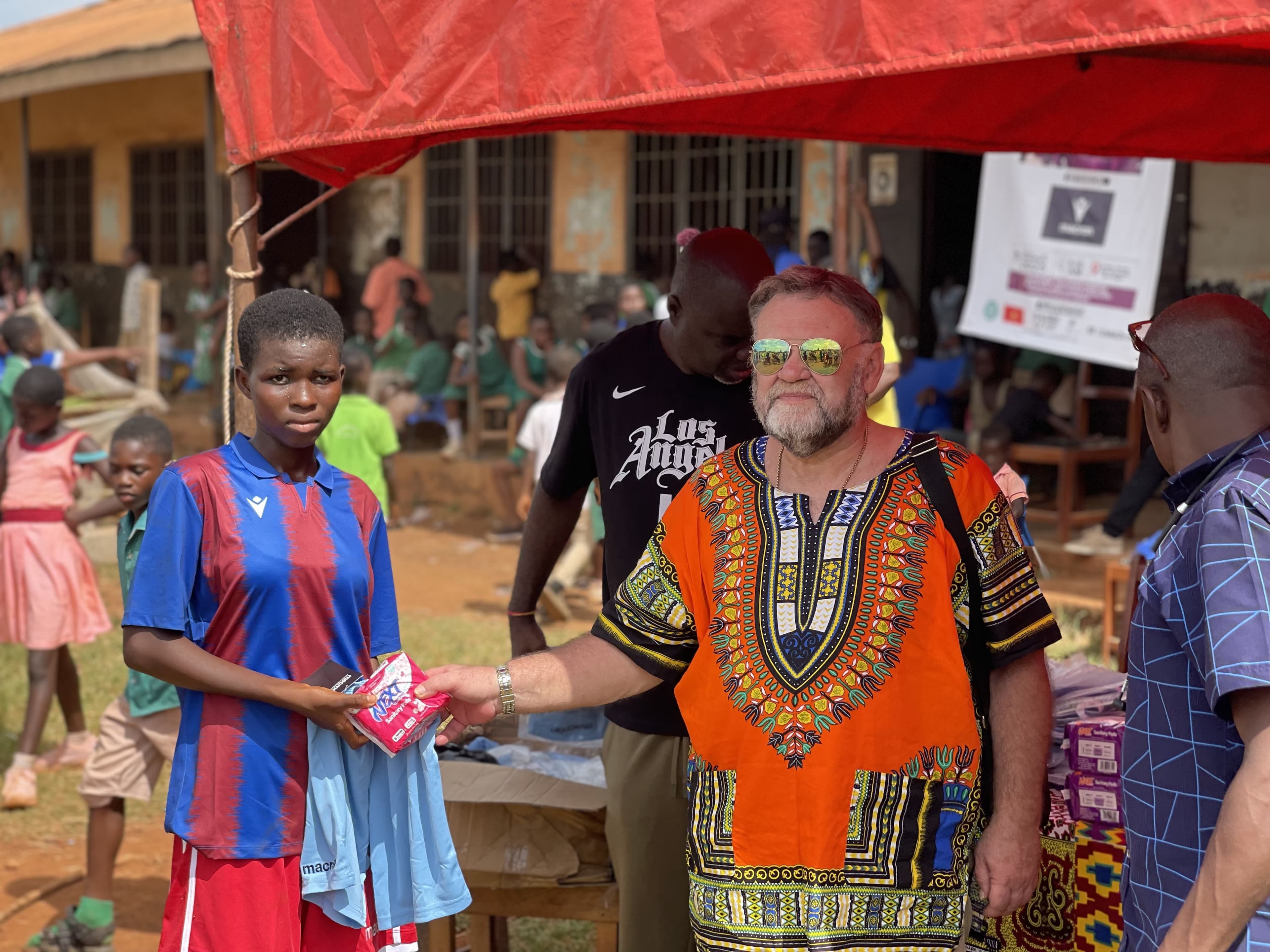
World Football Giving Day creates a moment of generosity. Posts are shared. Campaigns are launched. Donations arrive. Football communities around the world unite around the belief that the game can create positive change far beyond the pitch.
But once the giving day ends, another reality begins quietly in communities everywhere.
Because after the donations are made, children still wake up needing safe spaces to play. Coaches still arrive at dusty fields with limited equipment. Organisations still continue stretching small budgets to deliver programmes. Young people still need mentorship, guidance, meals, transport support, school assistance, and someone who believes in their future.
Giving days create visibility. But real impact is built in the ordinary days that follow.
What many people do not see is that community organisations spend most of their lives between moments of attention. Long after campaigns end, the work continues quietly:
unlocking school classrooms for mentoring sessions,
organising transport for children,
repairing footballs,
speaking with parents,
writing funding proposals late into the night,
responding to safeguarding concerns,
keeping programmes alive despite uncertainty.
Sometimes a donation may look small from the outside. But inside a community, it can become something much larger.
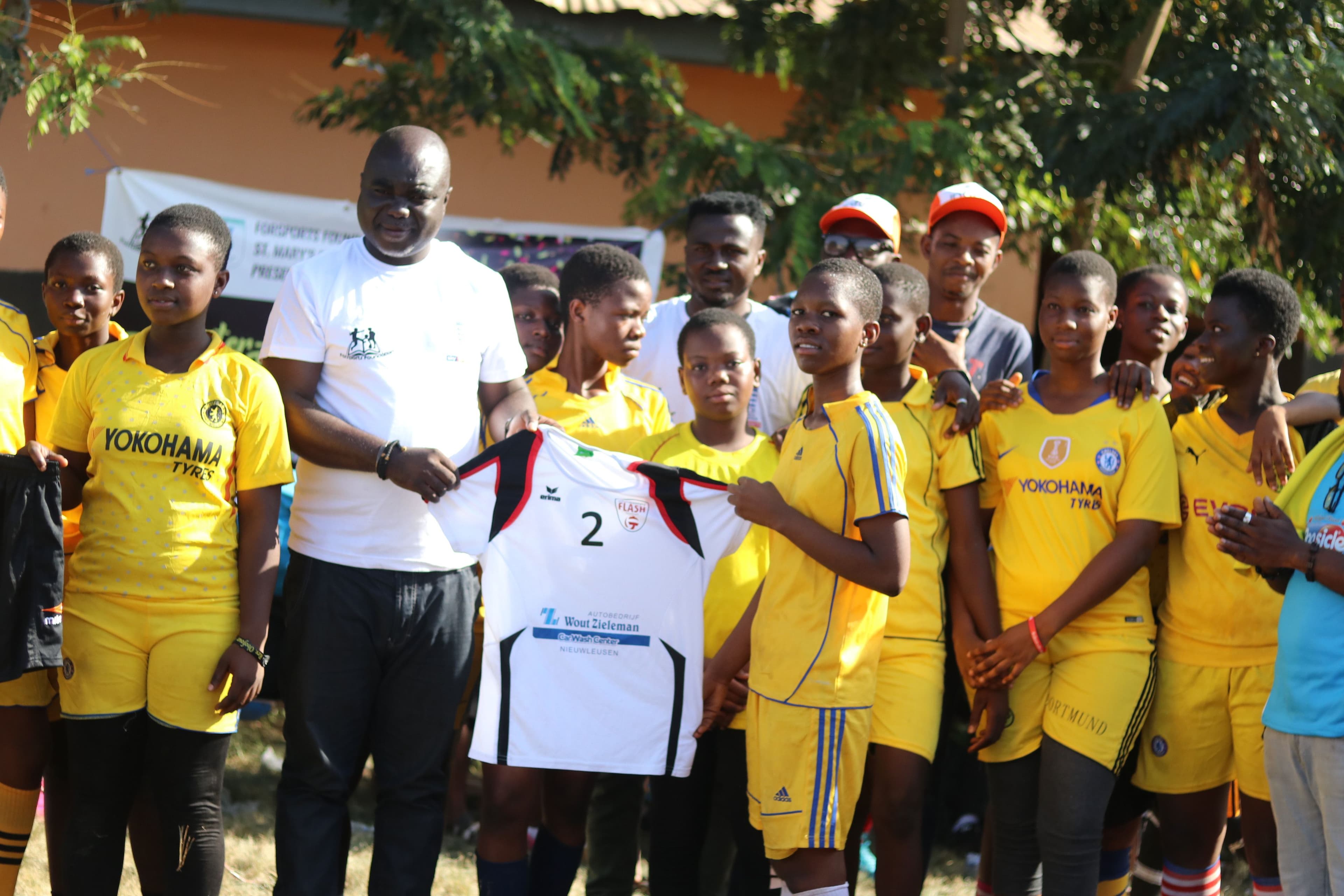
A set of jerseys may become dignity.
A football session may become belonging.
A mentor may become protection.
A safe space may become the reason a young person stays hopeful.
That is the deeper reality of giving through football and community development.
The expectation of giving should perhaps not always be immediate transformation or dramatic headlines. Real social impact is often slower, quieter, and deeply human. It happens through consistency. Through trust. Through showing up repeatedly for communities long after public attention fades.
At the same time, organisations also carry responsibility.
Giving should be met with accountability, transparency, and stewardship. Communities deserve organisations that treat every contribution with seriousness, no matter the amount. Donors are not simply funding activities. They are placing trust in people and ideas they believe can create change.
And perhaps that is the most powerful thing about giving.
Not the money alone.
Not the campaign alone.
Not even the football alone.
But the belief that somewhere, someone you may never meet deserves opportunity, dignity, and hope.
World Football Giving Day may last 24 hours.
But for many organisations and communities, the work it supports continues every single day after the final post disappears.