Urban Transport in Accra: What the Aayalolo Experience Reveals About Systems and Scale
14 May 2026 ·
Urban transport is one of the most visible expressions of how a city functions. It shapes productivity, access to opportunity, economic activity, and daily quality of life. In rapidly growing cities such as Accra, transport systems are increasingly under pressure from population growth, expanding urban boundaries, and rising demand for mobility.
What often appears as congestion on the surface is in reality a systems challenge beneath it.
The Aayalolo Bus Rapid Transit system represents one of Ghana’s efforts to improve urban mobility through a more structured and coordinated public transport approach under Aayalolo Bus Rapid Transit System in Accra.
Current discussions around improving and expanding public transport efficiency have included technical feasibility considerations drawing on international engineering perspectives, including reference frameworks such as those developed by TYPSA. These inputs form part of broader technical learning and system evaluation processes rather than formal delivery roles.
Urban mobility is not only about infrastructure design. It is about governance, operational discipline, institutional coordination, and long-term system management. Without these elements working together, even well-designed transport systems struggle to achieve consistent outcomes.
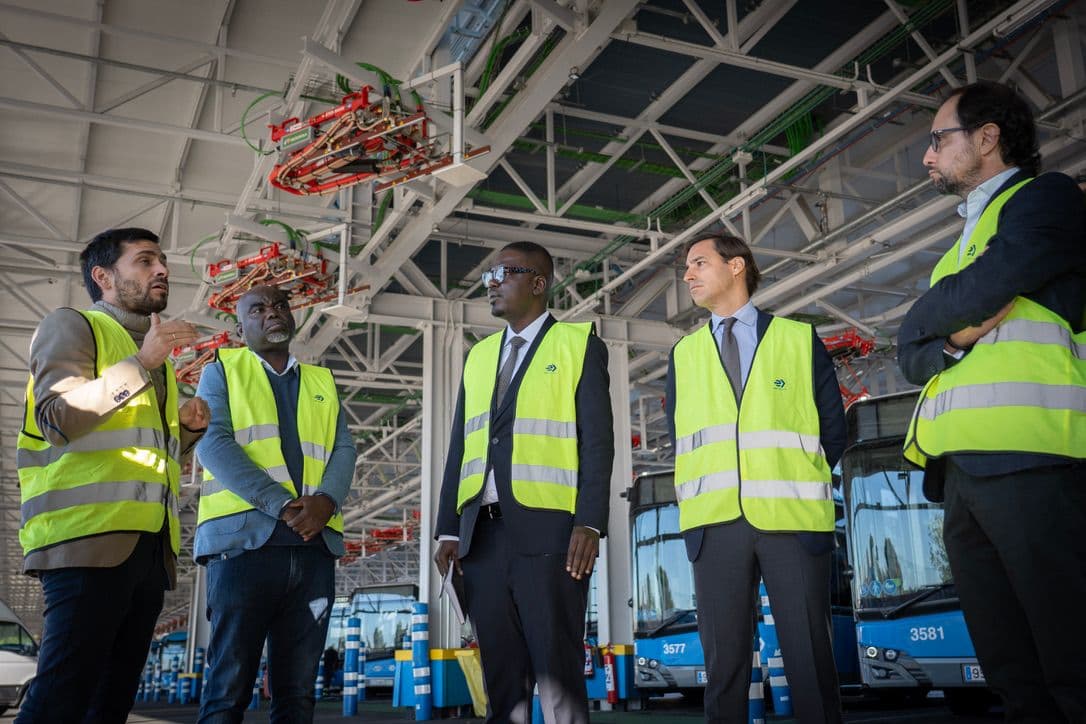
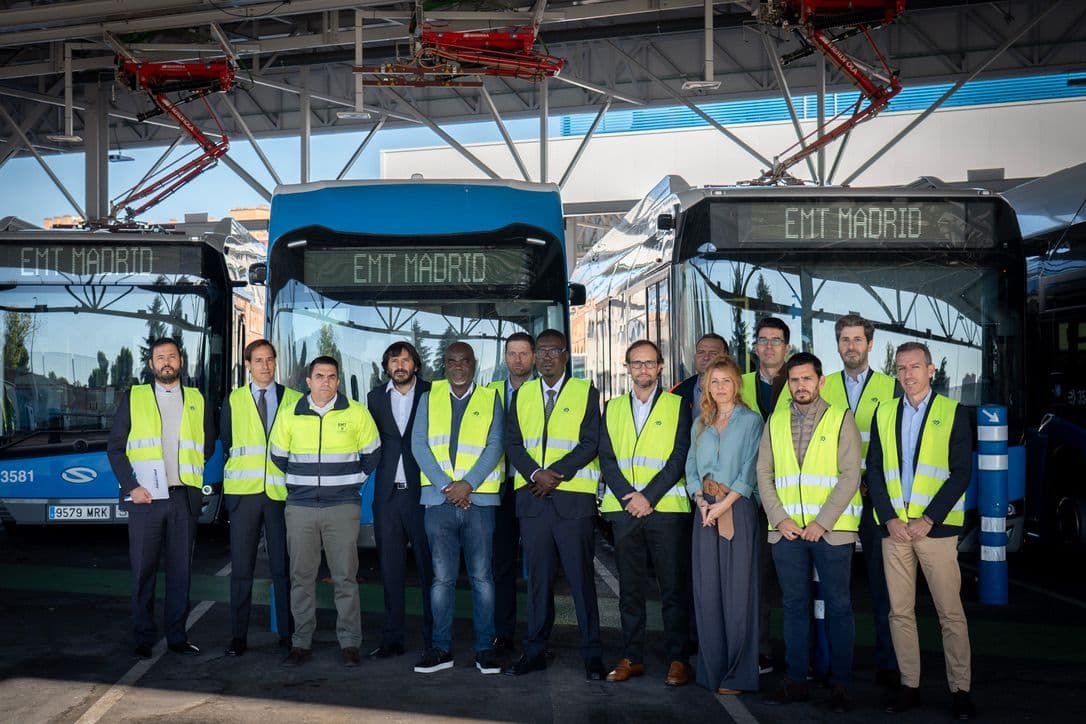
As part of broader sector engagement and learning, exposure to established public transport operations such as EMT Madrid provides useful reference points for understanding how mature systems function at scale. Madrid demonstrates how reliability, scheduling discipline, fleet management, and integrated planning contribute to a transport system that is predictable and trusted by users.
The objective is not replication. It is learning.
Every city operates within its own social, economic, and institutional context. However, successful transport systems tend to share common principles: reliability of service, strong operational management, integration between modes, and sustained investment in institutional capacity.
One of the key reflections from this exposure is that transport systems succeed when they are treated as living systems rather than one-off infrastructure projects. They require continuous management, accountability, and adaptation over time.
In many urban environments across Africa, including Accra, the challenge is not a lack of planning frameworks or pilot initiatives. The challenge is often the consistency of implementation and the alignment of institutions responsible for delivery. Transport reform requires long-term commitment that extends beyond project cycles.
Public transport systems are ultimately about people. They determine how individuals access work, education, healthcare, and economic opportunity. When systems do not function efficiently, the impact is not only congestion but also reduced productivity and limited access to opportunity.
There is significant potential for cities like Accra to evolve their mobility systems into more efficient, integrated, and inclusive networks. This will require continued investment in feasibility thinking, institutional strengthening, and collaboration between technical expertise and local understanding.
The future of urban mobility is not only about building infrastructure. It is about building systems that work consistently for people over time.
Transport is not just movement. It is access. And access is opportunity.