The World Cup Celebrates Football. But Are We Missing Football’s Greatest Contribution?
15 June 2026 ·
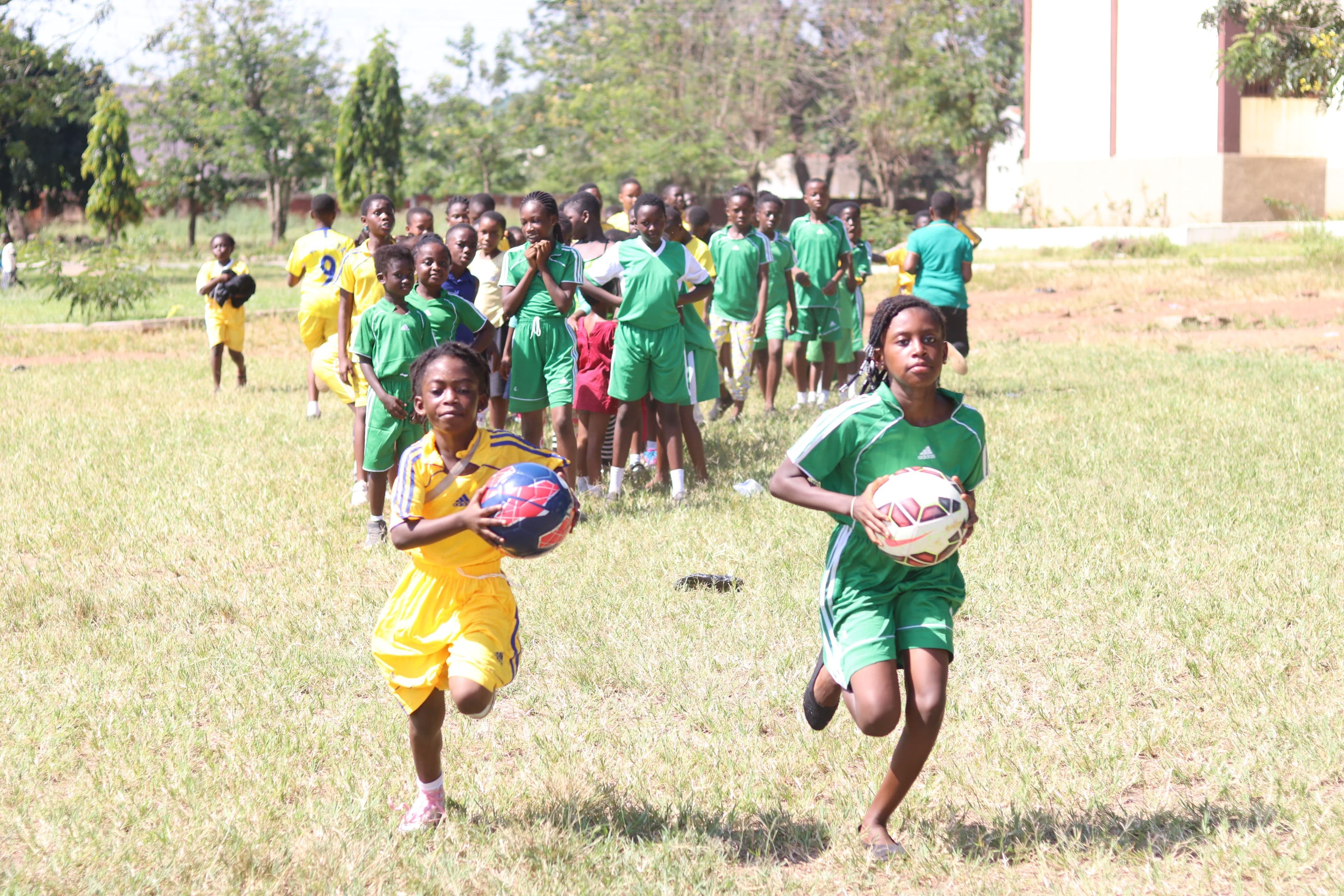
Over the coming months, the world will once again be consumed by football.
The 2026 FIFA World Cup will bring together 48 nations, billions of viewers, and some of the most memorable sporting moments we will witness in our lifetime. Entire countries will pause. Cities will celebrate. New heroes will emerge.
For many of us working in sport for development, we will watch with the same excitement as everyone else.
But we will also watch through a different lens.
Because while the world sees football as entertainment for a few weeks, we see something else entirely.
We see football as a classroom.
We see football as a safe space.
We see football as a tool for health education, gender equality, youth empowerment, social inclusion, safeguarding, and community development.
We see football as an enabler.
That distinction matters.
Across Africa and around the world, thousands of organisations use football and sport as entry points to address some of society’s most pressing challenges. Young people who may never attend a community meeting will attend a football session. Children who struggle in traditional learning environments often engage through sport. Communities divided by social, economic, or cultural barriers can come together around a football field in ways that few other interventions can achieve.
Yet despite this reality, many sport-for-development organisations continue to face a frustrating challenge.
Too often, football is mistaken for the outcome rather than the vehicle.
Funding applications are assessed through the lens of sport participation rather than social impact. Reviewers see football sessions when they should be seeing education outcomes, health awareness, life skills development, safeguarding structures, and pathways for youth empowerment.
The football is simply the door.
The real work begins once young people walk through it.
As founders, many of us understand this challenge intimately.
There are moments when programmes continue not because funding exists, but because leaders make personal sacrifices to keep them alive. Not because this is sustainable, but because the alternative is unthinkable.
When you have spent years building trust within communities, you know exactly what is at stake.
You know the young people who rely on those programmes.
You know the coaches who mentor them.
You know the families who depend on the opportunities created.
You know the communities that would lose something valuable if the work disappeared.
That reality rarely appears in grant reports or funding statistics.
Yet it exists in organisations across the continent every single day.
Perhaps that is why the World Cup presents such an important opportunity.
Beyond the goals, the trophies, and the global spectacle, it offers a chance to tell a wider story about what football makes possible.
Not just for elite athletes.
Not just for national teams.
But for communities.
For young people.
For social change.
For development.
The World Cup demonstrates football’s unparalleled ability to unite people across borders, languages, cultures, and backgrounds. The sport-for-development sector demonstrates what happens when that same power is applied intentionally to social challenges.
Both stories deserve to be told.
As football prepares to welcome 48 nations onto the world’s biggest stage, my hope is that greater attention will also be given to the thousands of organisations quietly using the game every day to improve lives.
Because football’s greatest contribution may not be the matches played in packed stadiums.
It may be the opportunities created on community fields long after the final whistle has blown.
And perhaps the true legacy of the World Cup should not only be measured by the champions it crowns, but by the communities it inspires and the impact it helps unlock around the world.