Sport Can Become One of Society’s Most Powerful Development Tools
12 May 2026 · 5 min read
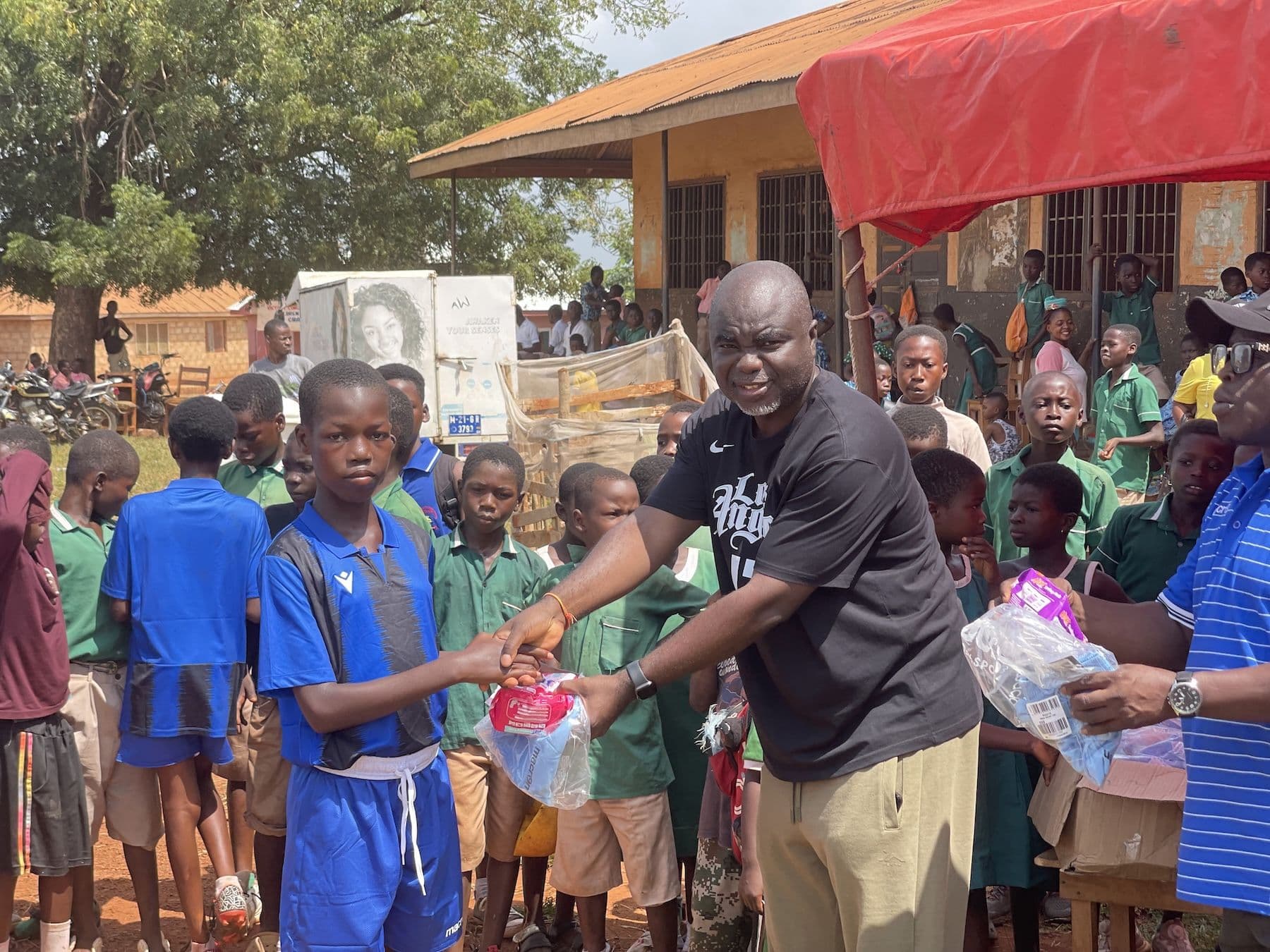
Sport is often underestimated within development conversations.
For many people, football and sport are viewed primarily as entertainment, competition, or physical activity. But within communities, especially among young people, sport can become something much deeper.
- It can become structure.
- It can become mentorship.
- It can become belonging.
- It can become identity.
- It can become confidence.
- It can become emotional release.
- It can become opportunity.
Over the years, one of the most important lessons I have observed is that young people are often not only searching for talent pathways. They are searching for environments where they feel seen, supported, challenged, and included.
This is where sport becomes powerful.
A football pitch can create space for leadership development, teamwork, communication, discipline, emotional resilience, and social inclusion. It can provide routine for young people navigating unstable environments. It can connect mentors to communities. It can create safe spaces where confidence develops naturally over time.
But sport alone is not enough.
Its real developmental value emerges when intentionally connected to mentorship, education, wellbeing, life skills, and community engagement. Without these structures, sport risks becoming temporary activity rather than sustainable empowerment.
This is particularly important across underserved communities where access to structured developmental spaces may already be limited.
Sport for development should not be approached simply as recreation. It should be recognised as a legitimate social development tool capable of supporting broader outcomes around youth empowerment, inclusion, wellbeing, and opportunity creation.
Africa possesses extraordinary youth potential.
The challenge is not talent scarcity.
The challenge is often ecosystem scarcity.
Young people need environments capable of supporting growth beyond raw ability alone.
When communities invest intentionally in youth spaces, mentorship systems, and inclusive opportunities, sport can become far more than a game.
It can become a foundation for transformation.